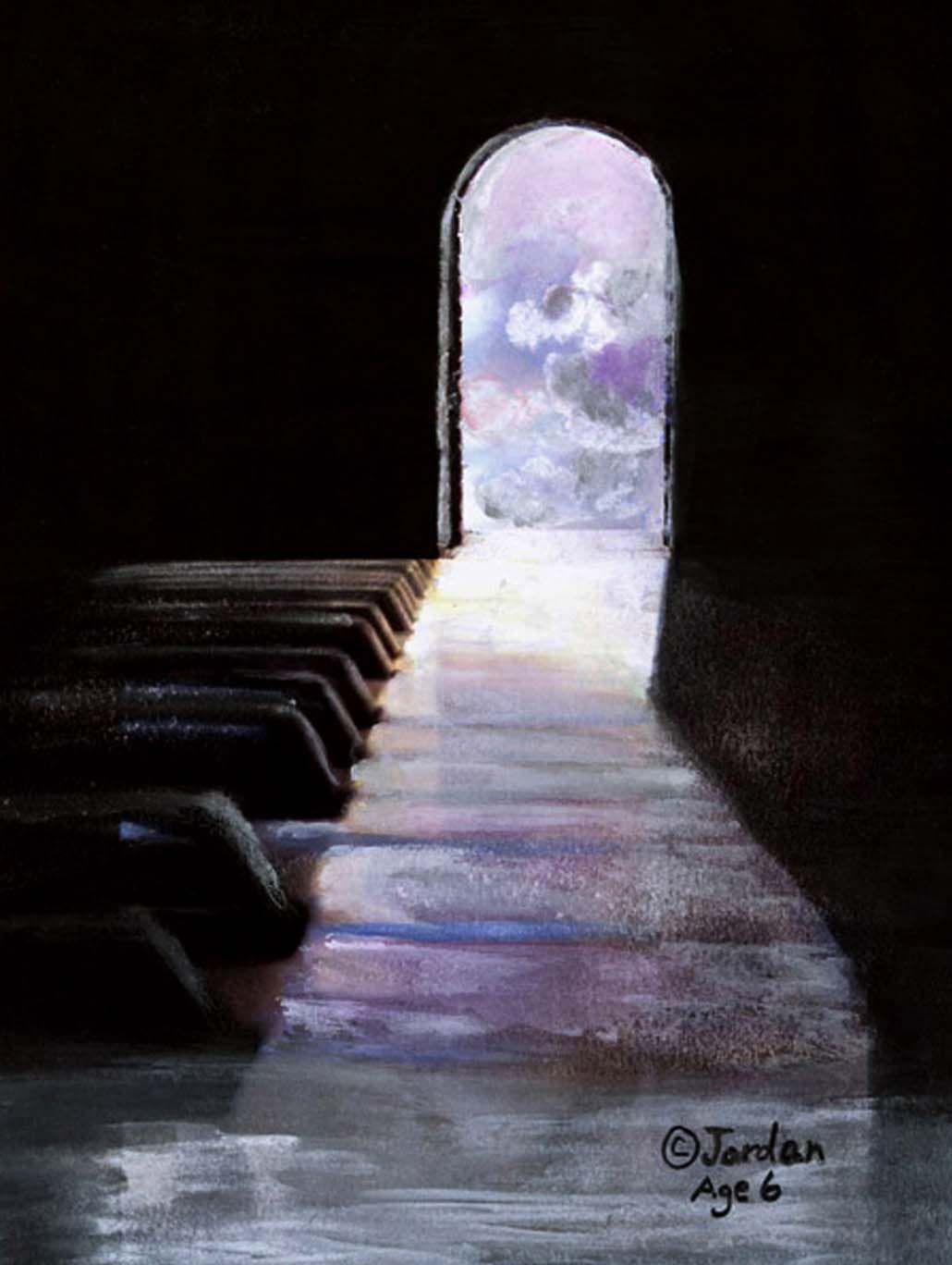
"Keyboard of Nine" — Watercolor by Jordan A. Cook, Age 6
Keys
At six years old, Jordan painted a keyboard that stretches toward an open door; its keys becoming a path, its music becoming light. She called it Keyboard of Nine because beyond the eight notes of a scale, there exists a ninth: the note that carries legacy forward.
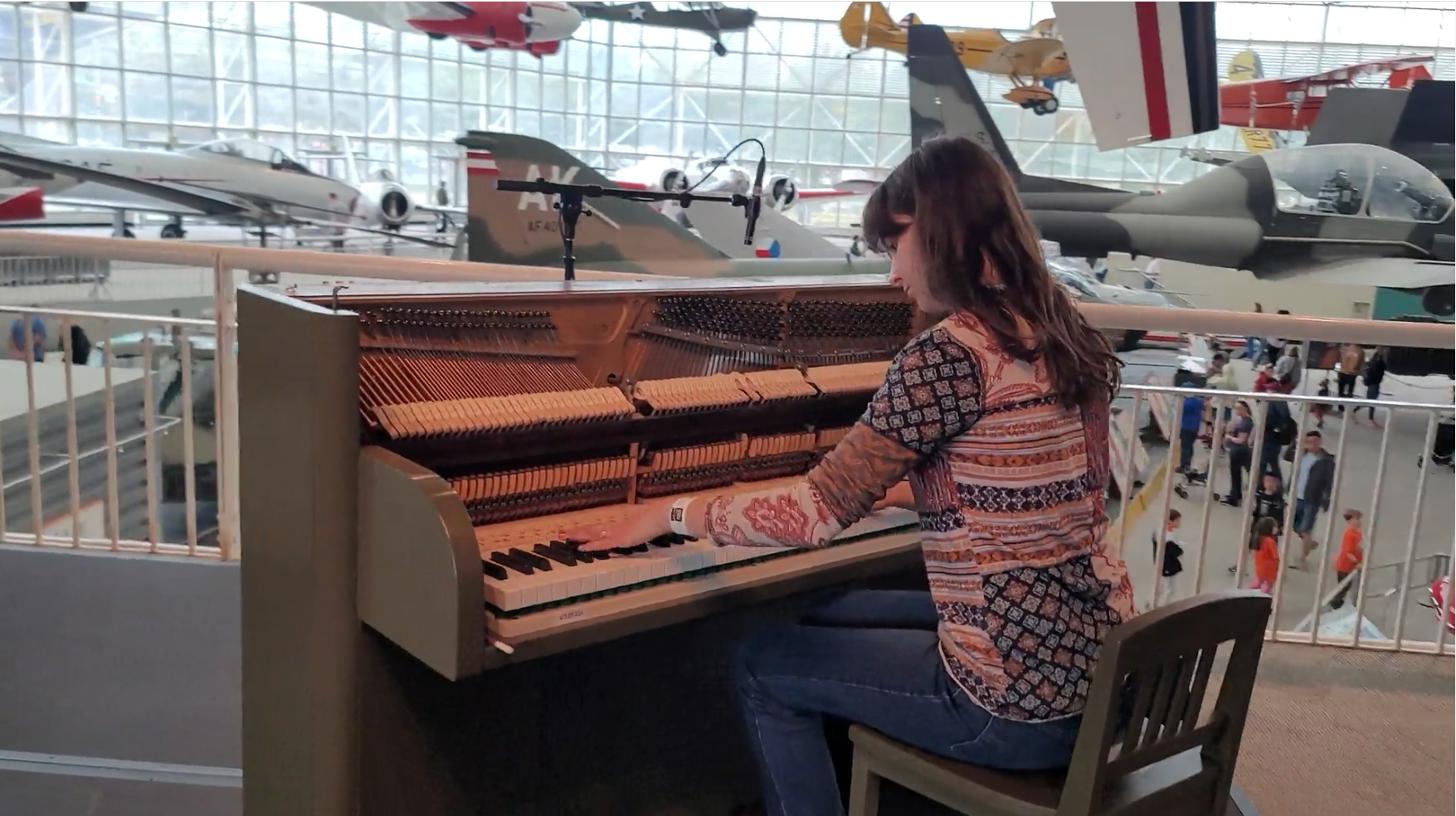
Twenty years later, nine Steinway Victory Vertical pianos sit in her care. They survived wars, hurricanes, and decades of silence, and each one holds a story that hasn't been told yet.
The keys are ready to open those doors.
The Story
Between 1942 and 1953, the Steinway & Sons piano company produced approximately 2,436 small upright pianos for the United States military. During WWII and the Korean War, these pianos, called Victory Verticals, were sent by B-17 bombers to active war zones to boost troop morale and bring the essence of home to soldiers on the frontlines. They were also sent to military bases, officers' quarters, field hospitals, and chapels, bringing music to places where music was needed most.
Most were never heard from again.
We now have nine of them. Collectively, they span both European and Pacific fronts, gracing war zones in Normandy, Korea, the East Indies, and the Gulf Coast of the American South. These pianos document stories of unknown soldiers, war heroes who helped liberate concentration camps, Dutch resisters who risked their lives hiding downed Allied pilots, Jews, and Italian POWs during the war, life in the officers' quarters of General MacArthur's Hollandia mansion in the Pacific, and survival through three hurricanes on the Gulf Coast.
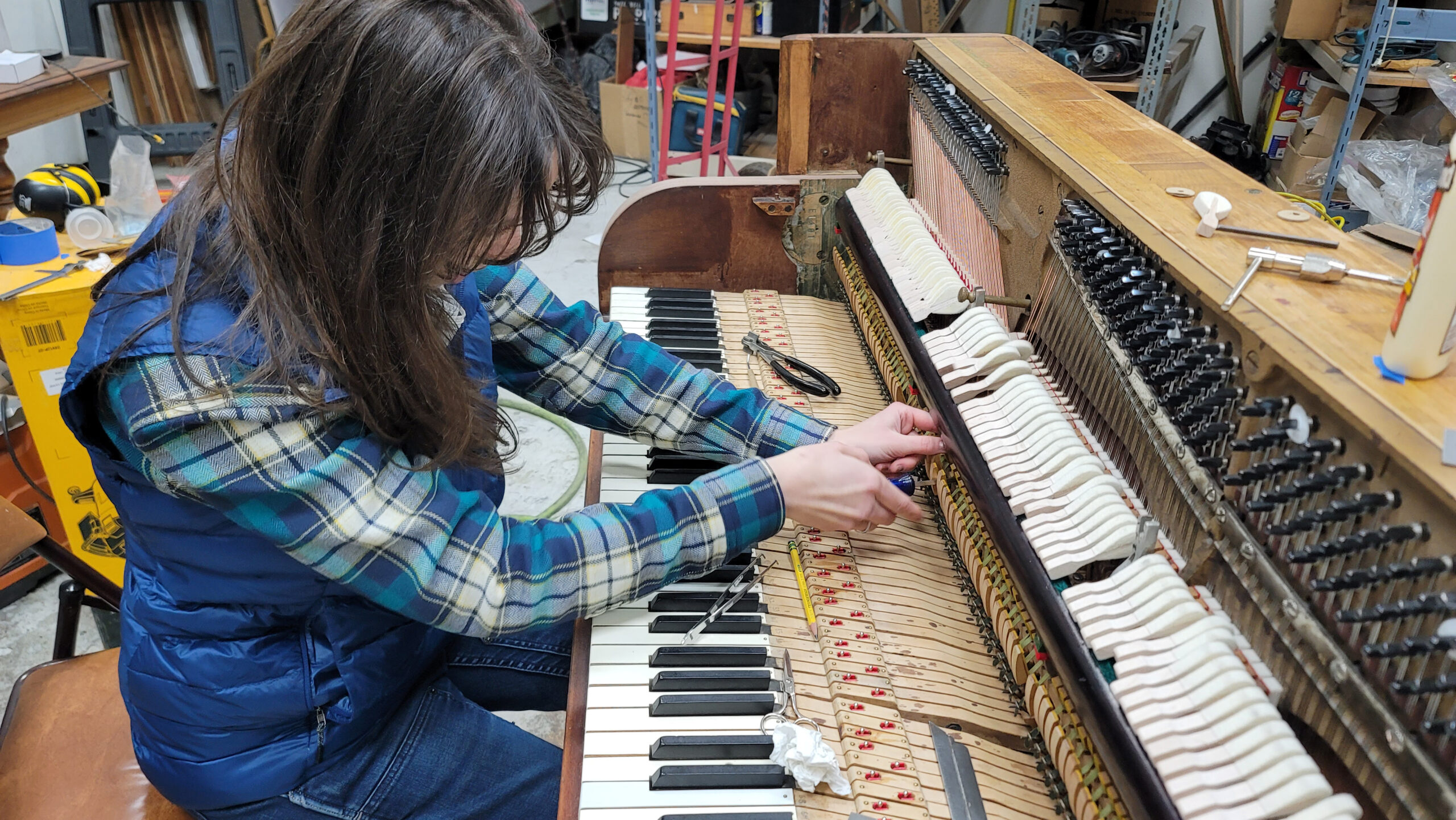
One by one, Jordan is rebuilding them.
The Vision
Keys is an album, documentary series, and collection of videos told by pianos that carried music through war, silence, and time.
Each piano will be paired with a musician whose own story resonates with that instrument's history. The album will feature original compositions and performances recorded on these pianos. The documentary will follow the restorations and the stories embedded within each instrument, including interviews with Holocaust survivors, historians, and the families whose lives are woven into the wood and wire.
War ends, but its legacy lives among us.
The Collection
Colonel Boucher
Normandy · D-Day · Restoration as Protest
Victory Vertical · August 24, 1949 · Olive Drab · Serial No. 329236
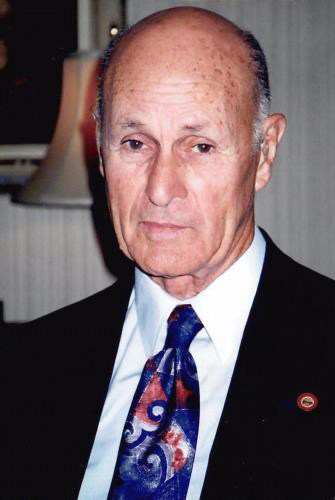
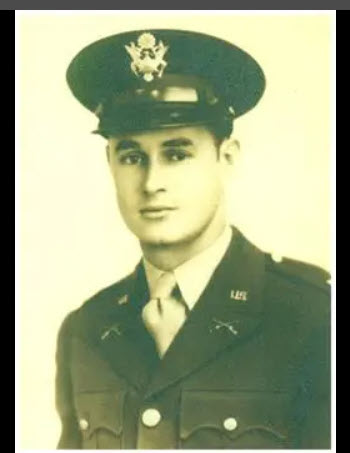
Colonel Boucher's Victory Vertical came home from Normandy with a D-Day veteran. It traveled from the beaches of France to Florida, where it remained for decades, until the Colonel did something unexpected. He stripped the olive drab military paint from the piano as a deliberate act, a statement that this instrument would never see war again. Jordan and Michelle brought it to the Pacific Northwest, where it has been fully restored. It stands today with its wood exposed and its voice renewed, a piano that chose peace.
A piano stripped of its war paint by the man who carried it home, standing now as proof that instruments of war can become instruments of peace.
This piano is the tenth Victory Vertical ever produced. Listed in Steinway's archives as a Regency Victory Vertical, the prototype model that preceded the now-famous Victory Verticals, it was stationed at Hollandia in the Pacific Theater, in the officers' quarters known as "the mansion," during General Douglas MacArthur's command. MacArthur's son, Arthur MacArthur IV, was a child prodigy who would go on to become a concert pianist, and he was present at Hollandia during the time this piano was stationed there.
When MacArthur's troops moved on, a woman was permitted to keep the piano. It eventually made its way from the Pacific to France, to the U.K., and then crossed the Atlantic by cargo container ship to its current home in Washington State. Its provenance is documented through original photographs, newspaper articles, and Steinway's own records.
The tenth Victory Vertical ever made, played by a child prodigy in the Pacific Theater. Some journeys take eighty years to complete.
Theodora is named for Theodora Van Doorninck Cole, whose family was part of the Dutch resistance during World War II. They sheltered downed Allied pilots, hid Jewish families, and protected Italian prisoners of war at extraordinary personal risk, and their bravery was formally recognized by General Eisenhower and by Yad Vashem, Israel's Holocaust remembrance authority. This is her piano. It is currently being rebuilt by Jordan, and will be showcased at Holocaust museums internationally as both a historical artifact and a living instrument; played, not just displayed.
A piano that lived in a house of courage, restored by hands that believe silence should never be permanent.
Bishop
North Carolina · Black Church · The Home Front
Victory Vertical · November 3, 1948 · Olive Drab · Serial No. 327088
Bishop was discovered in the basement of a Black church in North Carolina; silent, forgotten, buried beneath decades of dust. A Victory Vertical that served its country and then served a congregation, it had been set aside and effectively silenced. During transport, movers dropped it on its face, cracking its board and damaging the structure. What couldn't be broken by war or time was broken by carelessness. It is in the shop now, where Jordan is rebuilding it, and it waits to sing again.
Found in a basement, forgotten by everyone except the walls that held it. Bishop served its country, then served a congregation, and now waits to serve again.
Charley Helene Milton
Gulf Coast · Three Hurricanes · Still Standing
Victory Vertical · December 7, 1945 · Olive Drab · Serial No. 318438
Charley Helene Milton was built on December 7, 1945, four years to the day after Pearl Harbor. She survived two hurricanes. During the third, her previous owner watched remotely on his security camera system as everything around her tore apart, but she sat in stillness in the eye of the storm. When it was over, she was still there. Some instruments are defined by the music they've played; this one is defined by what it withstood.
Three storms. Still standing. Some things refuse to be silenced.
Unknown Soldier
Identity Lost · Case Number Only · Every Forgotten Name
Victory Vertical · November 21, 1945 · Olive Drab · Serial No. 318291 (identified from Case No. A2314)
Unknown Soldier was dropped off anonymously outside of a piano shop where Jordan worked. He was in horrible condition. Someone had cut away the classic Art Deco curves and performed terrible work over a severely ruined soundboard. His serial number was gone; he could only be identified by his case number. Some technicians suggested he be parachuted out of a plane at the Seattle Museum of Flight Victory Vertical exhibit to reenact the famed wartime delivery of Victories. Jordan insisted that he had value, and brought him to the workshop, where he waits in queue.
No serial number. No name. Abandoned, disfigured, and nearly discarded. He stands for every person who gave everything and was forgotten.
Three more pianos. Three more stories. Coming soon.
The Steward
I make art that listens.
Jordan began painting at age two. Her work was documented in a published magazine by four, and by seven she had her own gallery filled floor to ceiling with her paintings. At six, she painted Keyboard of Nine, the image at the top of this page, and something shifted. The painting was not about music; it was about what music opens: doors, memory, legacy. At nine, she held a joint showing with the late Fred Oldfield at the Western Heritage Museum Art Gallery, at twelve she appeared on stage at King David's Tower in Jerusalem, and at seventeen she was a featured speaker at The Art of Creativity workshop hosted at the vacation home of Prince William and Kate Middleton.
Over the years, the scope shifted. She began painting not just for countries, but for people and moments that should never be forgotten, and the paintings became portraits of legacy itself.
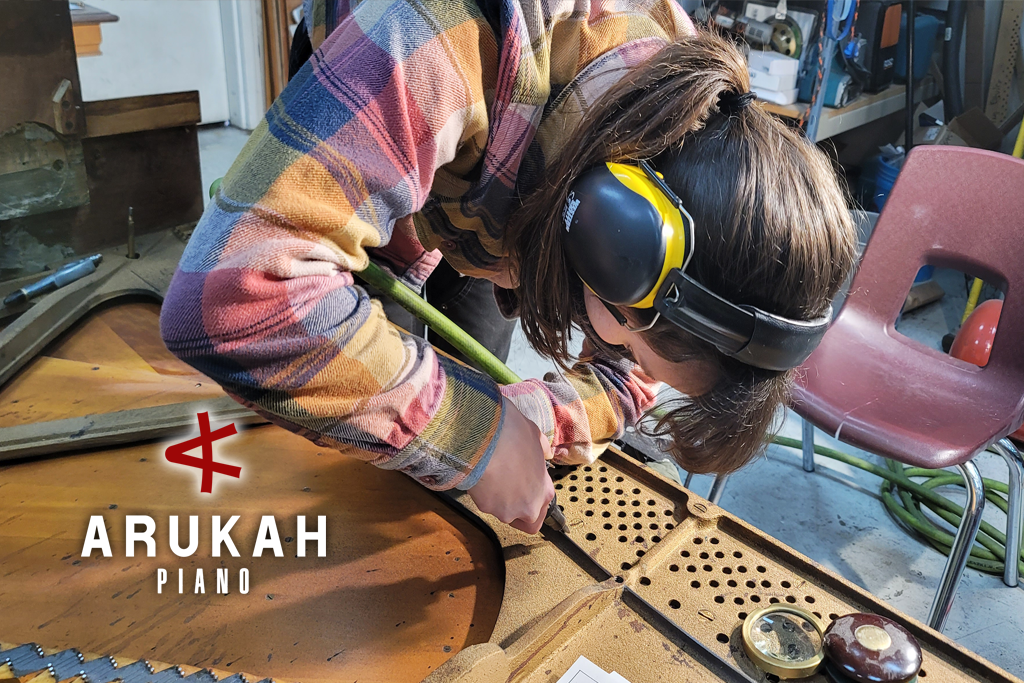
Then the vision expanded. Music came first, then restoration. During a period of significant hearing loss, Jordan encountered a fire- and water-damaged 1925 Steinway L. She pressed a soot-covered key and felt the piano's silent story, and that instrument, named Arukah, a Hebrew word meaning restored to a better, though different, condition, became the namesake of her business and the principle that governs her work. What began with paint now included sound, and what began with canvas now included wood, wire, and hammers. When her hearing was restored, the work remained.
Arukah — the 1925 Steinway L that started it all
This project exists because nine pianos found their way to an artist who spent her whole life learning to listen.
Today, Jordan is the foremost expert on Steinway Victory Verticals. She wears the title of rebuilder, but usually refers to her work as rescuing. "I rescued a Victory today," she says when she repairs one. Among her most meaningful rescues is Colonel George Boucher's Victory Vertical, a piano the Colonel had begun repairing but never finished. In a collaboration across time, Jordan completed his unfinished work, honoring both the man and the music he left behind.
Jordan is also an internationally exhibited artist working in gouache, watercolor, and mixed media made from her own foraged pigments, paint, and ink. She gathers color from the land itself: minerals, clays, lichens, and plants from the Pacific Northwest. In one of her most recognized works, she used charcoal and ash from an arson fire that destroyed her gallery on the Fourth of July. Recently, she scraped verdigris from an old Steinway and collected it to use as pigment. Nothing is lost in her hands; even the markings of decay play a part in telling the story. Her paintings have been shown at the Children's Holocaust Museum at Terezin, the Matterhorn in Switzerland, and Maidan Nezalezhnosti in Kyiv, Ukraine. Years later, she learned that members of her own family had been interned at Terezin.
Jordan and her mother, Michelle, have invested over a decade of time and resources in Victory pianos, and twenty years in Jordan's painting.
Jordan in her gallery, age 7
The Invitation
We are inviting you because your story resonates with the histories of these pianos, and as an artist, your songs carry more than sound.
Keys is not a commercial venture. Whether private or public, we invite you to play, if only for an audience of one.
If you are reading this, we believe your music belongs in this story.
We ask that the contents of this page remain confidential as we prepare to share each story publicly.